

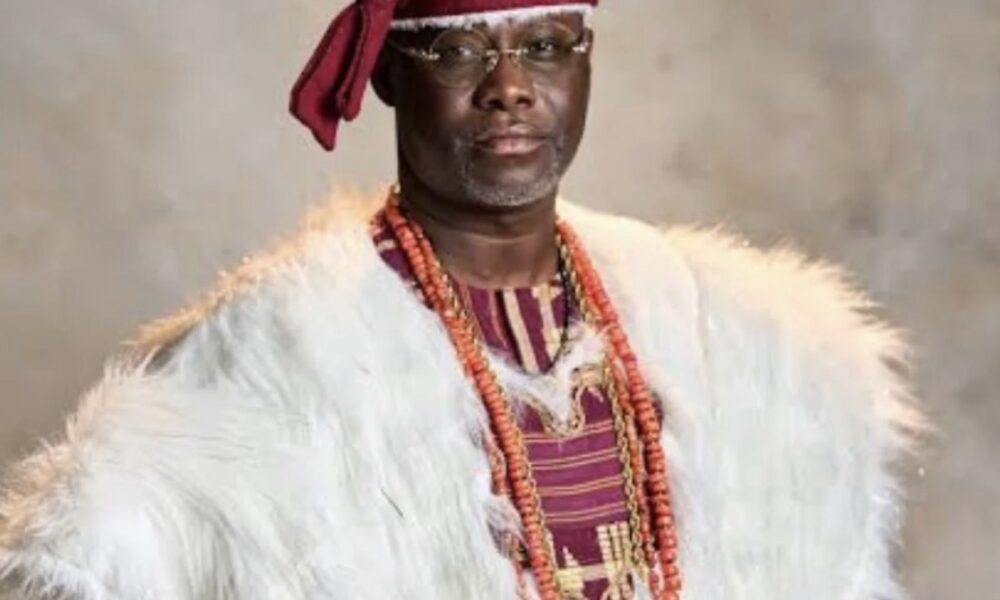
The founder of Egbaliganza, Chief Lai Labode widely known as Aare Lai Labode, PhD; has ignited fresh controversy in Egbaland with a strongly worded letter to the Egba Statutory Chiefs in Council, sources close to the traditional institution have revealed.
In the missive, Labode reportedly threatened to withdraw his participation and the Egbaliganza branding from the iconic Lisabi Festival unless he is granted exclusive rights to “own and commercialize” the event. The demand, insiders say, has sent shockwaves through cultural and traditional circles, where many stakeholders view the festival as a sacred collective heritage rather than a private enterprise open to branding control.
The Lisabi Festival, now in its late 30s (with the 38th edition held in 2025) commemorates Lisabi Agbongbo Akala, the legendary 18th-century warrior who led the Egba people to liberation from Oyo Empire oppression. For generations of Egba indigenes, the annual celebration has stood as a solemn tribute to resistance, unity, and ancestral pride, long predating any modern fashion or commercial overlay.
However, critics within traditional ranks have accused Labode’s Egbaliganza initiative; which gained major prominence during the 2025 Lisabi celebrations of gradually shifting the focus from historical and spiritual reverence toward high-fashion spectacle, celebrity glamour, and commercial ambition. While supporters argue that the movement has injected youthful energy, global visibility, and economic promise into Egba cultural identity; with projections of stimulating a billion-dollar indigenous textile market; detractors have described the trend as “cultural adulteration” that risks diluting the festival’s core essence.
Tensions have been further heightened by perceptions of personal ambition surrounding the development. Though Labode holds recognized traditional titles, including Osi-Apagun of Egbaland and later Aare of Egbaland, some insiders have quietly expressed discomfort over occasional self-references that appear to evoke the broader Yoruba military title of Aare Ona Kakanfo; a historically weighty honour not exclusive to Egbaland. Observers have also speculated that the push for greater influence over the festival could be connected to wider strategic calculations, including possible political interests within Ogun State.
The latest ultimatum has revived earlier murmurs in some quarters that Egbaliganza; alongside parallel ventures reportedly linked to Labode, including Ijebu Tiganza, Eko Tiganza, and African Tiganza; may be heavily personality-driven and could struggle to sustain momentum independently over time. Some voices from neighbouring Ijebu circles have reportedly dismissed the initiative as a potential “fluke,” contrasting it with long-standing, multi-family cultural institutions such as Ojude Oba, which have endured for generations.
Despite the growing debate, traditional custodians remain firm in their position that the Lisabi Festival is the collective heritage of the Egba nation and not subject to private ownership. One senior stakeholder, who spoke on condition of anonymity, stressed that cultural legacies must be protected from excessive commercialization.
“Cultural legacies outlive personalities,” the source said. “Lisabi’s spirit is not for sale.”
As the controversy continues to unfold, calls are mounting for urgent dialogue among key stakeholders to preserve Egba unity and safeguard the festival’s original purpose. Community leaders and cultural observers warn that how the matter is resolved could shape the future relationship between tradition and modern cultural enterprise in Egbaland.
Across the region, attention remains intense. Egbaland and observers throughout Yorubaland are watching the situation very closely, with growing interest and concern. Many are now waiting to see whether dialogue, compromise, or further confrontation will define the next chapter in the unfolding cultural standoff.