Gumi Releases ‘Fatwa’ on Clerics Who Join Politics
Kano, Kano state – Prominent Islamic scholar Sheikh Ahmad Abubakar Gumi has come down firmly on one side of a growing debate among Nigerian Muslims, saying there is nothing wrong with religious...

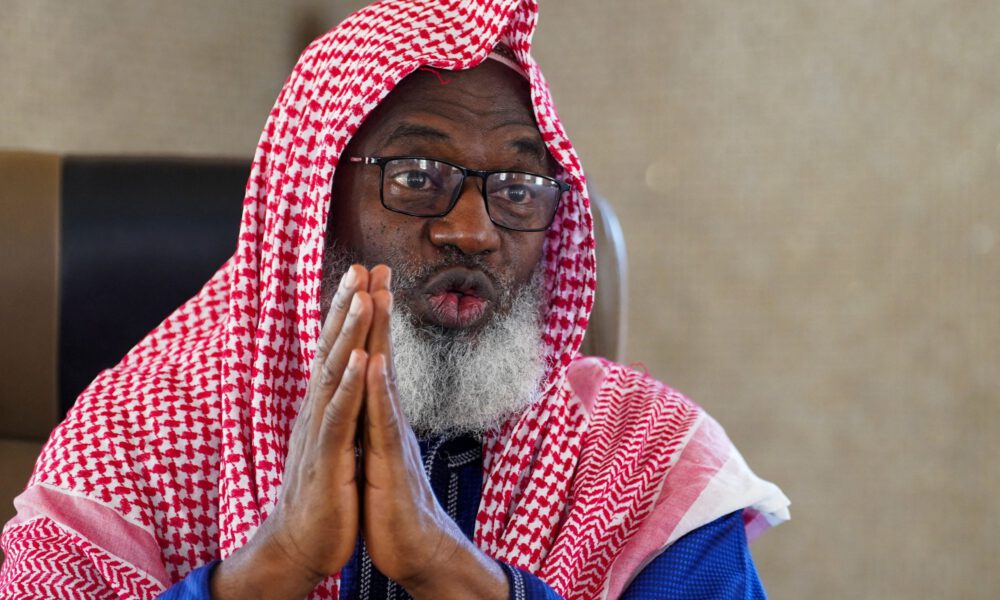
Kano, Kano state – Prominent Islamic scholar Sheikh Ahmad Abubakar Gumi has come down firmly on one side of a growing debate among Nigerian Muslims, saying there is nothing wrong with religious scholars entering partisan politics.
Pantami governorship bid ignites debate The conversation around clerics and politics has intensified in northern Nigeria following the political moves of several Islamic figures. Former Minister of Communications and Digital Economy Sheikh Isa Ali Ibrahim Pantami is perhaps the most prominent, having recently emerged as the Peoples Democratic Party (PDP) governorship candidate in Gombe State ahead of the 2027 general elections.
Sokoto-based Islamic scholar Sheikh Bashir Ahmad Sani also declared his intention in February 2026 to contest the governorship seat in his state. Several other clerics of notable standing have occupied, or continue to occupy, political offices across different states.
Critics of clerical involvement in politics say the arena is too divisive and morally compromising for religious leaders. Their concern is that partisan activity opens scholars to public ridicule, political attacks and defamation, ultimately weakening the moral authority and respect those figures carry within Muslim communities. In their view, clerics serve society more effectively by offering spiritual guidance and holding leaders to account from outside government.
Those who back the idea reject the notion that meaningful reform can come solely from the outside. Their argument is that if a scholar possesses the knowledge, integrity and competence to lead, restricting that person to sermons and prayers alone wastes a valuable resource. They insist that responsible, qualified individuals have a duty to join governance and contribute directly to changing the country’s direction. Gumi’s remarks align clearly with the latter camp, reinforcing the view that active participation, not passive supplication, is the more impactful choice for religious figures with the capacity to lead.
Kaltho said her decision followed consultations and a personal appeal from the PDP leader in Gombe state, Senator Ibrahim Hassan Dankwambo, who urged her to withdraw from the suit in the interest of party unity. Describing Dankwambo as a father figure whose counsel she deeply respects, she said preserving the cohesion of the PDP and prioritising the welfare of the people of Gombe were more important than pursuing her personal political ambition.