
How Toronto’s Hosting of The Headies 2026 Is Redefining Global Music Diplomacy
The announcement that the 18th edition of The Headies Awards will take place in Toronto, Canada, has sparked conversations across Africa’s entertainment industry and beyond. More than a change of...

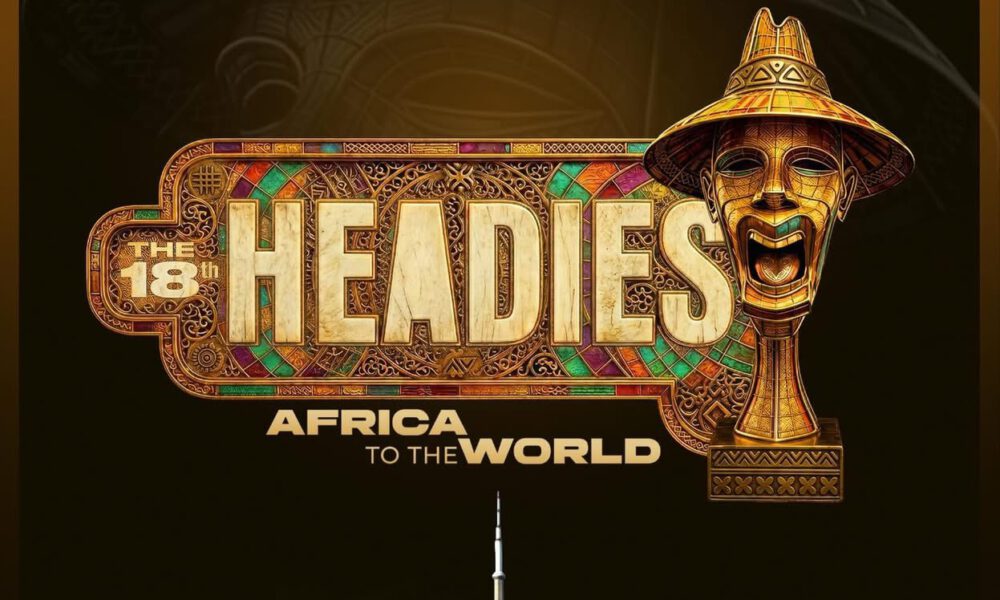
The announcement that the 18th edition of The Headies Awards will take place in Toronto, Canada, has sparked conversations across Africa’s entertainment industry and beyond. More than a change of location, the decision signals a bold new phase in the global evolution of African music and the institutions that celebrate it.
For nearly two decades, The Headies has stood as one of Africa’s most respected music award platforms, recognizing excellence and shaping conversations around the continent’s creative industry. Now, with Toronto set to host the 2026 edition, the awards are positioning themselves at the intersection of culture, commerce, and international diplomacy.
The move comes with the support of Canadian authorities and reflects the growing influence of African music on the global stage. In recent years, Afrobeats and other African genres have transformed from regional sounds into worldwide cultural forces, with artists such as Rema, Burna Boy, Wizkid, Davido, Asake, and Ayra Starr selling out arenas across North America and Europe.
Speaking during “The Big Announcement” event at Eko Hotels and Suites in Lagos, Canada’s Deputy High Commissioner to Nigeria, Carlos Rojas-Arbulu, highlighted the increasing popularity of African music in Canada, noting that the country has become an important destination for African performers and audiences alike.
Toronto’s selection is far from accidental. Widely regarded as one of the world’s most diverse cities, it is home to a large African diaspora community and serves as a major hub for international entertainment, tourism, and cultural exchange. Industry observers view the city as an ideal platform for expanding The Headies’ global footprint while strengthening ties between African creatives and international markets.
Beyond the glamour of the awards ceremony, organizers have unveiled a broader strategy aimed at creating lasting economic and cultural value. The 2026 edition will feature a dual-city format designed to maintain strong connections with Nigeria while expanding the event’s international reach.
The main awards ceremony will be staged in Toronto before a global audience, while a synchronized Lagos Watch Show will allow fans and industry stakeholders in Nigeria to participate in the celebration in real time. In addition, organizers will launch the inaugural Headies Trade and Investment Summit, a platform intended to attract international investors, entertainment technology experts, legal professionals, and creative industry leaders to engage with Nigeria’s growing entertainment ecosystem.
Responding to concerns about hosting the awards outside Nigeria, The Headies founder and HipTV Chief Executive Officer, Ayo Animashaun, defended the decision as a necessary step in the platform’s growth.
According to him, African music has become a global force and the institutions that celebrate it must evolve accordingly. While Toronto offers the infrastructure, partnerships, and international visibility needed to stage the event at a larger scale, he emphasized that Nigeria remains the spiritual and cultural home of The Headies.
Animashaun stressed that the objective is not to move away from Nigeria but to expand the country’s cultural influence and attract greater international investment into its creative sector. He described the initiative as part of a broader mission to strengthen African institutions and ensure that African stories continue to occupy their rightful place on the world stage.
Industry analysts see the Toronto edition as evidence of the growing maturity of Africa’s creative economy. Traditionally dependent on corporate sponsorship within Nigeria, The Headies is now embracing a more diversified model that includes government partnerships, tourism collaborations, international audience engagement, and investment-driven initiatives.
One of the key pillars of the strategy is bilateral cooperation with Canadian institutions. Organizers believe this partnership will provide access to world-class venues, enhanced security frameworks, and improved global broadcast capabilities, helping to elevate the overall production quality of the awards.
Another important component is the focus on diaspora engagement. Through a partnership with travel company Wakanow, specially curated travel packages will enable artists, executives, and fans to travel between Lagos and Toronto, creating new opportunities for cultural exchange and tourism.
The economic dimension of the initiative is equally significant. The newly established Headies Trade and Investment Summit is expected to serve as a gateway for international media technology investments, intellectual property development, publishing expertise, and advanced streaming infrastructure that could benefit Nigeria’s domestic creative industry long after the awards ceremony concludes.
As preparations begin for the 18th edition, many observers believe the significance of the Toronto move extends beyond entertainment. It reflects the growing confidence of African cultural institutions in building their own global platforms, forging international partnerships, and shaping narratives on their own terms.
For The Headies, Toronto 2026 represents more than an awards show. It is a statement about the global rise of African creativity, the power of cultural diplomacy, and the determination of African institutions to take their place at the center of the international conversation.